Climate Playwriting Prize 2026
The Climate Playwriting Prize 2026 will uncover the most exciting new plays about the climate crisis, and support them to find their audiences.
We believe that playwrights have a vital role to play in the conversation around the climate. Theatre is a space for animating audiences, forming communities, and experimenting with form; a space for processing the past, articulating the present, and imagining the future. In order to surface the breadth and diversity of new stories about this planetary moment, the Climate Playwriting Prize is an open invitation to playwrights to respond creatively to this subject matter. Regional and touring theatre is playing a vital role in engaging audiences, and we are partnering with organisations all around the country to deliver workshops to writers, unlocking how they might want to tell their climate story.
This moment is marked by rising temperatures, escalating impacts of change on communities and ecosystems, but also by the potential for us to transform society for a flourishing, equitable future for all life. The need for new stories that help audiences grapple with the realities and possibilities of this crisis has never been clearer
In order to surface the breadth and diversity of new stories about this planetary moment, the Climate Playwriting Prize is an open invitation to playwrights to respond creatively to this subject matter. We are partnering with organisations all around the country to deliver workshops to writers, unlocking how they might want to tell their climate story.
Submissions to the Climate Playwriting Prize are now open, see below.
The Climate Playwriting Prize 2026 is funded by Climate Spring
A partnership between:


Climate Playwriting Prize Associate Partners:

What are we looking for?
We are looking for the best plays that engage meaningfully with the climate crisis.
For this prize, ‘climate’ is defined expansively: it includes the natural world and environmental change, but also the social, political, and cultural conditions connected to it. We are open to all approaches to this subject matter: the climate should be an important dramaturgical element of the play, with an impact on character and/or plot, but it doesn’t need to be the only theme. We are particularly interested in plays that go beyond explaining the problem, to explore what responding to the crisis means for us as people.
Although the Globe is leading the prize, we encourage playwrights to develop scripts without a specific stage in mind – the prize producers will support the onward journey of the play to the most appropriate home.
Submitted plays:
- Should be full length plays, of 70 minutes or longer
- Should be written by UK and UK-based playwrights in the English language
- Should not have had a previous production
- We will accept work for adults, and family work. Work written specifically for children and musicals are ineligible. Beyond this, plays may be written in any genre – we actively encourage playwrights to think about how to expand what our thinking of what climate work might look like
- Must not be straight adaptations of existing material, and writers must own all of the copyright of their work. We will consider plays that are in conversation with existing material.
- This award is aimed at writers and theatre practitioners who have already demonstrated a commitment to script-based mediums (theatre, radio or screen), with some professional experience. This could include production experience (including fringe), commission, talent development schemes or work staged through R&D or scratch performances.
- You do not need to write specifically for the Globe’s stages. The winner will be chosen based on merit and suitability for production, and the decision won’t be taken with a specific stage in mind.
- May be in an early draft, or in an early stage in their development
Prize
The winning playwright will receive:
- A cash prize of £15,000
- Dramaturgical support on the development of the play to rehearsal draft with specialists at the Globe, Climate Spring and Fern Culture
- Industry exposure to leading theatre professionals
- The Globe will option the winning play for production, with an aspiration to produce. Alternatively the award producers will support the writer to find a suitable home for the play.
Submission & Judging Process
How to submit
Applications are now open. The deadline for submissions is 1 September 2026.
Writers are asked to submit:
- their play as a PDF document
- their CV
- up to 300 word synopsis of the play
- Up to 300 words explaining the approach the writer has taken to the subject matter
We will also request equal opportunities data, which will help us to monitor the writers we are reaching with this award and improve the reach of the award in future years.
Judges






Judging Process
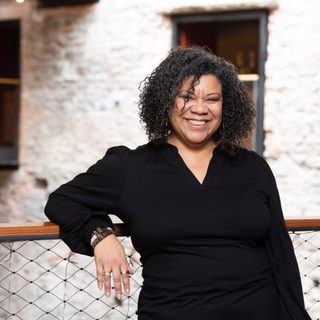
Submitted plays will be read by a panel of highly respected industry professionals from across the storytelling (theatre and television) and climate spheres. They will create a longlist of plays.
A further panel made up of senior members of artistic staff from the prize’s associate partners will select a shortlist.
Shortlisted plays will be read by the judges outlined above.
The winner will be announced at an event at the Globe in Winter 2026.
Writers who are not longlisted for the prize will not receive feedback on their work. Longlisted writers will receive short written feedback. Shortlisted writers will receive feedback in person.
What do we mean by ‘climate playwriting’?
There is no one way to write ‘a climate play’, and through this prize we will celebrate the diversity of approaches to the subject matter. In recent times stages across the UK have seen family sagas, political dramas, musicals and love stories all engage with these themes.
Shakespeare wrote about climate breakdown in A Midsummer Night’s Dream, deforestation and enclosure in As You Like It, and world-reshaping storms in Pericles, The Tempest and Julius Caesar…In his wake, playwrights have been exploring our relationship with and impact on the environment – most recently those writers have included Caryl Churchill (Escaped Alone), Fehinti Balogun (Can I Live?), Joe Murphy & Joe Robertson (Kyoto), Emily White (Atlantis) and Bryony Kimmings (Bog Witch). We are inviting contemporary writers to find their own way to dramatise our impact on the world around us.
The climate crisis is the story of our time, and its impacts and how we respond will reach – and are reaching – into every aspect of our lives: home, food, migration, love, justice… We hope to hear from playwrights alive to these themes, writing plays that are intimate or epic, and that deal with the subject matter on a domestic, local, national or global level.
We are looking for work that engages meaningfully with this subject matter. The climate and nature crisis does not have to be the only theme the play deals with, but it should be a key dramaturgical ingredient, or have an impact on plot or character. Meaningful engagement does not have to mean focusing on the impacts of climate, or explaining the crisis: it could include exploring what responding to the crisis means for us as people, from processing grief to new ways of being. We are interested in surprising and original takes.
The answer to what makes a good climate play is the same as what makes a good play: we are looking for plays that will entertain, move, inspire and excite audiences. We are particularly looking for plays that will appeal to new audiences, or audiences that might not identify as strongly climate concerned.
There is a wealth of reading and watching around climate storytelling. Some places to start might be: Climate Spring; The Great Derangement & The Nutmeg’s Curse by Amitav Ghosh; Climate and Black Storytelling Traditions, an interview with Aya de Leon; How to Tell a Story to Save the World by Toby Litt; Sustainable Stages: What makes a great climate play? by Amber Massie-Blomfield; The Inward Migration in Apocalyptic Times by Alexis Wright.
Climate Storytelling for the Theatre: A Workshop for Playwrights
Curious about telling stories about climate and nature on stage? Join one of our upcoming workshops designed to support writers finding their own climate drama to share.
These sessions are an opportunity to think creatively and critically about how theatre can respond to the defining challenge of our time. Together we’ll explore how climate stories can become compelling drama: from finding the human stakes inside global issues to building characters, conflict, and theatrical worlds.
Each workshop is led by an experienced writer, director or dramaturg, and will include practical exploration of how to write your climate play, a wider discussion about the kinds of climate stories we need now, and a conversation with a relevant environmental expert, telling their own story of change.
Whether you’re already developing an idea or just beginning to think about writing about the climate, these workshops are a space to test ideas, ask questions, and connect with other writers engaging with the climate crisis.
The workshops are intended for those interested in finding out more about, and potentially submitting a play for, the Climate Playwriting Prize. We expect writers who attend to be eligible to apply for the prize. This means you will have had some previous professional experience of script writing, such as participating in a talent development scheme, staging an R&D sharing or having a script commissioned. No prior knowledge of climate science is required – just curiosity, imagination, and a desire to tell powerful stories.
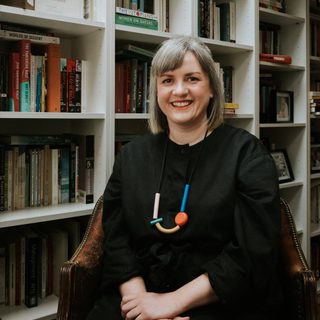
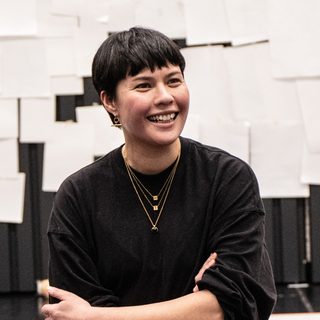
Workshops will be facilitated by a member of the facilitator pool:


Book your workshop place now:
Exeter Northcott Theatre
Exeter Northcott Theatre
6 July 2026 (13:00-16:00)
Shakespeare’s Globe
Bankside, London
26 June 2026 (14:00 – 17:00)
FAQs
Can plays be co-written?
Yes, as long as both authors are eligible for the award. There will only be one prize if a jointly authored play were to win.
Are multi-lingual plays eligible?
Yes, but they should be written predominantly in English with the full story being accessible to English-language speakers.
Why are musicals and work for children ineligible?
We recognise that work for children and musicals are an integral part of our artform. We are inviting submissions of work that the expertise of our team can best support within the resource we have available to us.
What do you mean by plays that have been produced?
Plays that have had productions on the fringe of less than a week (up to 8 performances), or public rehearsed readings, will be considered.
Can I submit more than one play?
Only one play may be submitted per writer.
Will my submission be anonymised?
No, names will remain on submitted plays when they are shared with readers. You are welcome to use a pseudonym, as long as we have the correct contact details for you.
What will happen with my Equal Opportunities data?
Any Equal Opportunity data you provide will remain anonymised and will be used to help us to monitor the writers we are reaching with this award and improve the reach of the award in future years. The data may be shared with funders and other partners in an aggregated form.
What do you mean by ‘an early draft’?
Plays should be full length, and have a beginning, middle and end, but they may be in an early draft. We anticipate that some writers will have finished plays ready to submit to the award, others might use the award as a deadline to finish their play, and others may want to rework a play they are already working on. We hugely appreciate the work that will go into preparing every application. Judging decisions will be made on the promise of an idea, and its early execution. The winners and runners up of the prize will be supported to further develop their play to rehearsal draft.
How does the Globe’s option on the winning play work?
The winning play will be granted to Shakespeare’s Globe under an exclusive 18-month option as part of the Prize. No additional option fee will be payable beyond the Prize award.
The Globe will hold an aspiration to produce the play during the option period. Any production will be subject to the theatre’s artistic and programming considerations and is not guaranteed as a result of winning the award. If production is not possible within the option period, we will work with the writer to support the next steps for the play.
Get in touch
If your questions or queries about the Climate Playwriting Prize aren’t answered here, please get in touch.
Email [email protected] and a member of the team will get back to you as soon as possible.