Shortlist & Longlist
Shortlist
Exposure
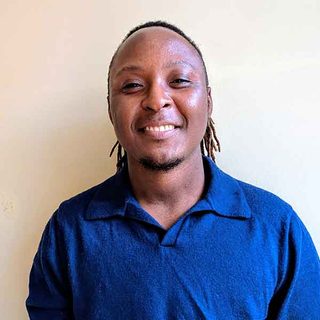
‘It is harder to be good, to do good. But this is what the fight for the climate asks.’
Set in the run up to, during, and in the aftermath of the Mabira forest protest in Kampala, Exposure explores the complex emotional bond of three generations of women; Jaja, who witnessed Uganda’s independence, Mercy, who went through the accompanying troubled years, and Agnes, who envisions a more progressive country. Following Moses return to the country, with his boyfriend George, to attend the environmental protest, tensions in and out the home begin to rise, as the group struggle to keep together in a city that is falling apart.
Merrymeade
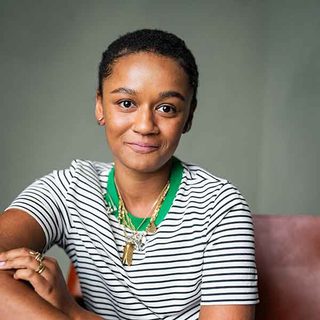
“Breathing itself gotta be a symbiosis with the leaves. That take in ahwe exhalin a turn it to oxygen we need to inhale. Ahwe exhale is e inhale. An vice versa.”
In the shadow of Montserrat’s Souffrière Hills volcanic eruption, three children form an unbreakable bond and an unwavering determination to find the figure that haunts the folklore of the island: The Merrymaid of Chances Peak.
Black sands and emerald trees filled their childhood with stories, but as they grow older, realities begin to snag as they grapple with their vulnerability as a small volcanic island facing down the climate crisis. Continuing their search for the Merrymaid was never in question, but the ever-mounting ecological and cultural impacts of the world changing around them begin to weigh heavy on their friendship.
The Play that Solves Everything
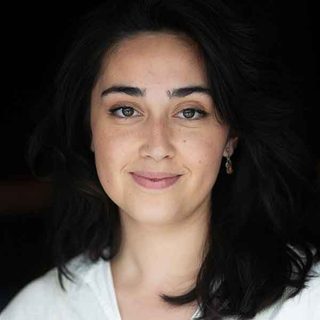
“Rehearse a future where we live…Let’s be haunted by hope. Let’s pretend we survive.”
Unfortunately, the planet is hurtling towards climate collapse. But luckily here is a play that solves everything! It overrides democracy, rewrites culture and commits stark acts of sacrifice. A funny, deadly serious anthology steering towards a liveable future. At any cost.
As the play unravels the world, it also unravels itself. How does theatre cope with the pressure of the future and the weight of the world on its shoulders? As its strange chaos spills out, what show are we complicit in making? What can we lose? What violence can we stand for?
Llanddona Witches
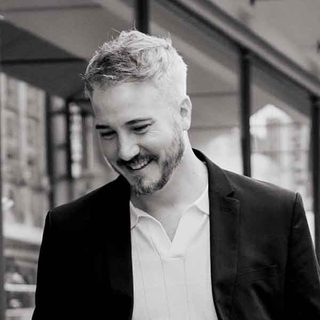
“The sea took homes, the sun took harvests, fear took the rest, and you needed someone to blame for a world you couldn’t understand so you call us witches?”
Anglesey, 1610. Murmurs of the sea swallowing the land, crops failing, and villages growing hungry. When four women wash ashore during a storm in a boat without sail or oars, Llanddona’s elders send them back out to sea. By morning, they have returned. Reluctantly, villagers offer sanctuary as murmurs manifest.
Who has the right to the dwindling land, food and water? Who decides who belongs? As whispers of witchcraft become accusations, fear turns neighbours against strangers, revealing the monsters people become when their world disappears. For, as the people of Llanddona know too well, no good comes on a storm tide.
Gods and Monsters
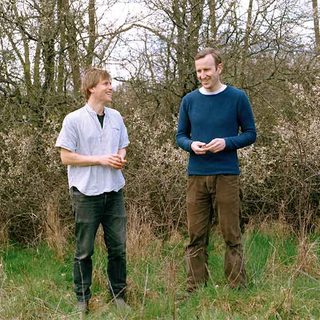
“Look at what we’re living through now: wildfires, floods, droughts, the rest…and all of it is happening because humans have told themselves a story in which they’re the only species on Earth that matters. Change the story, change the future.”
Gods and Monsters is about how the right story, well told, can (might, must) change the future. At its heart is the ancient Epic of Gilgamesh, itself unmistakably a climate story both of its time and, eerily, of ours.
The play unfolds in three time-lines: first, the Epic itself; second, the archaeological re-discovery of the Epic in the later nineteenth century, amid the ferment and brutality of Victorian empire; third, the present-day, in which two women commit to environmental direct action for very different motives. We wanted to write a play of stories, music, time, love and fear that made people feel the current crisis in the gut and in the heart.
Wilt
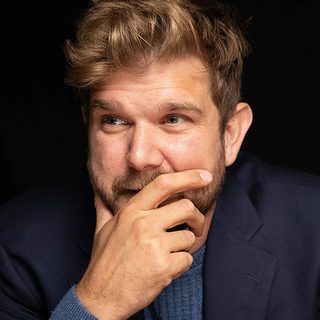
“We’ll take the past, we’ll build on it, and – we’ll make a garden.”
Alan knows the name for everything. The latin name. All the plants, the bushes, the trees. He’s worked at the same park for 50 years, he could walk it blindfolded. When Oak Wilt comes along, it threatens destruction. Budgets are tight, teams are small, Alan is slowing down.
Wilt is a love letter to the natural world. A gentle celebration of the knowledge we hold, what we lose when things pass and what we might gain by reinventing the ground we stand on.
Pelt.
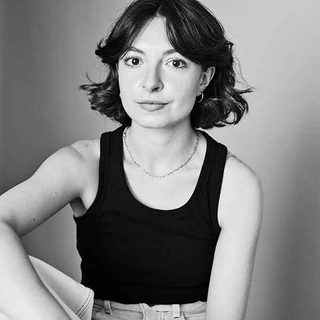
“You know, if you actually gave a shit about all this stuff, you’d just donate all the money you’re sitting on to Greenpeace and shut the fuck up.”
Mira’s got bigger problems than the impending apocalypse – her bike has been seized by the Metropolitan Police, her situationship has started a podcast, and now her body has betrayed her.
The Climate Crisis is inside all of us. Some more than others.
Pelt. is a funny and furious play about activism, motherhood, and what it means to bring new life into an imploding world.
No Eels This Year
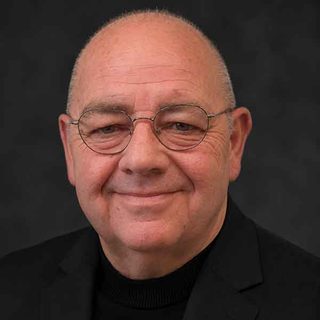
“The boat doesn’t stop owin’ because the lough goes green.”
On the shores of Lough Neagh, eel fisherman Patsy Mullan faces the collapse of a trade passed down through generations. With the water warming and fishing suspended, his family gathers in their processing shed ahead of a ministerial visit. His son is drowning in debt, one daughter is fighting to protect her farm, and another knows what the government has chosen not to say. Through a desperate night, as the eels begin to die, family loyalties fracture and concealed decisions emerge. By morning, Patsy must decide what is worth saving and what must be exposed.
Tiny Alarms
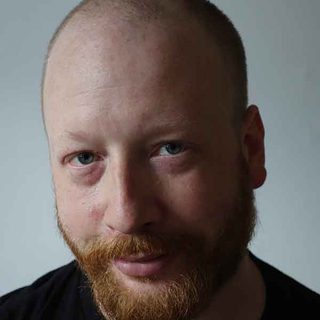
“I’m not the first of my kind to go to another world. To try and talk a species out of suicide. I won’t be the last. I’m not special.”
Tiny, a 12-year-old schoolgirl, becomes an eco-justice superstar when her frank, funny and disconcerting takes on the climate crisis go viral. But she has a huge secret: Tiny is an alien emissary, a consciousness sent across the galaxy to warn humankind they’re on borrowed time. Tiny and her mother, and Tiny’s friends, are caught up in a storm of climate denial, pressure groups and political agendas. Perhaps the truth is too big for planet Earth to believe.
Cambium Layer
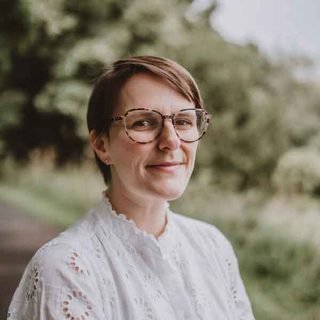
“The thing is. Is that it’s progressive now isn’t it. It was relapsing and remitting of course but now it’s progressive. Progressing.”
Susie brought up her daughter Skye by herself and the pair have always survived everything together: their too-big-to-heat house, Susie’s root vegetable stews and Skye’s tendency to judge her mother.
But now the house is at risk of flooding, the earth is sick and the progress of Susie’s Multiple Sclerosis has quickened at an alarming pace. It feels like they may be about to go under.
When Simon arrives offering an imperfect solution to their housing problem, Skye is suspicious. But maybe Simon is just as in danger of drowning as they are.
A play about the power and cost of care: for ourselves, each other and the world that formed us.
Longlist
- Little Ice Age, A. L. Benjamin
- First Last Dance, Aisling Towl
- green and pleasant, Amanda Wilkin
- Just Stop Olive, Andrew Thompson
- Sea Wall, Annabelle Sami
- How Will It End?, Bailey Edwards
- Sliabh Liag, Chloe Yates
- Wolf Play, David Finnigan
- Eden, Dominic Leggett
- Catfish, Dongmeng Chen
- Saturn’s Return, Erin Holland
- The Ballad of Hedra Blight, Flynn Fitzgerald
- Paradise Sidings, Gemma Lawrence
- Talking to Tomorrow, Hannah Kennedy
- Tiny Violent Acts, Henry Waddon
- Not the End of the World, Isaac Frost
- Half-Life, Isabella Waldron
- The Smallest Thing, Isla Cowan
- Five Minutes to Midnight, James Fritz
- Roots, Jose Socrates Delos Reyes
- How To Grieve Correctly in a Tuvaluan Household with Other Oceanic References, Lau Batty
- Uncommon Birds, Lauren M. Gunderson
- That Bitch Sarah, LC Stephens
- All the World’s a River, Linda Marshall Griffiths
- will i go to the same place?, Madeline Whitby
- SHELL – A 100% Unauthorised Moral Failure, Mark Ashmore
- Birds Birds Birds, Matthew Parvin and Polina Kalinina
- Why Be Good?, Melissa Bubnic
- For the Want of Greenland, Mojisola Adebayo
- The Village is Empty, Naomi Obeng
- Theertham, Nayantara Nayar
- Threads, Ruby Thomas
- It Might Be Over Soon, Ruth Gilligan
- Breaking Horses, Simon Jaggers
- The Day the Sea Caught Fire, Tristan Bernays
- Choking Game, Yifan Wu